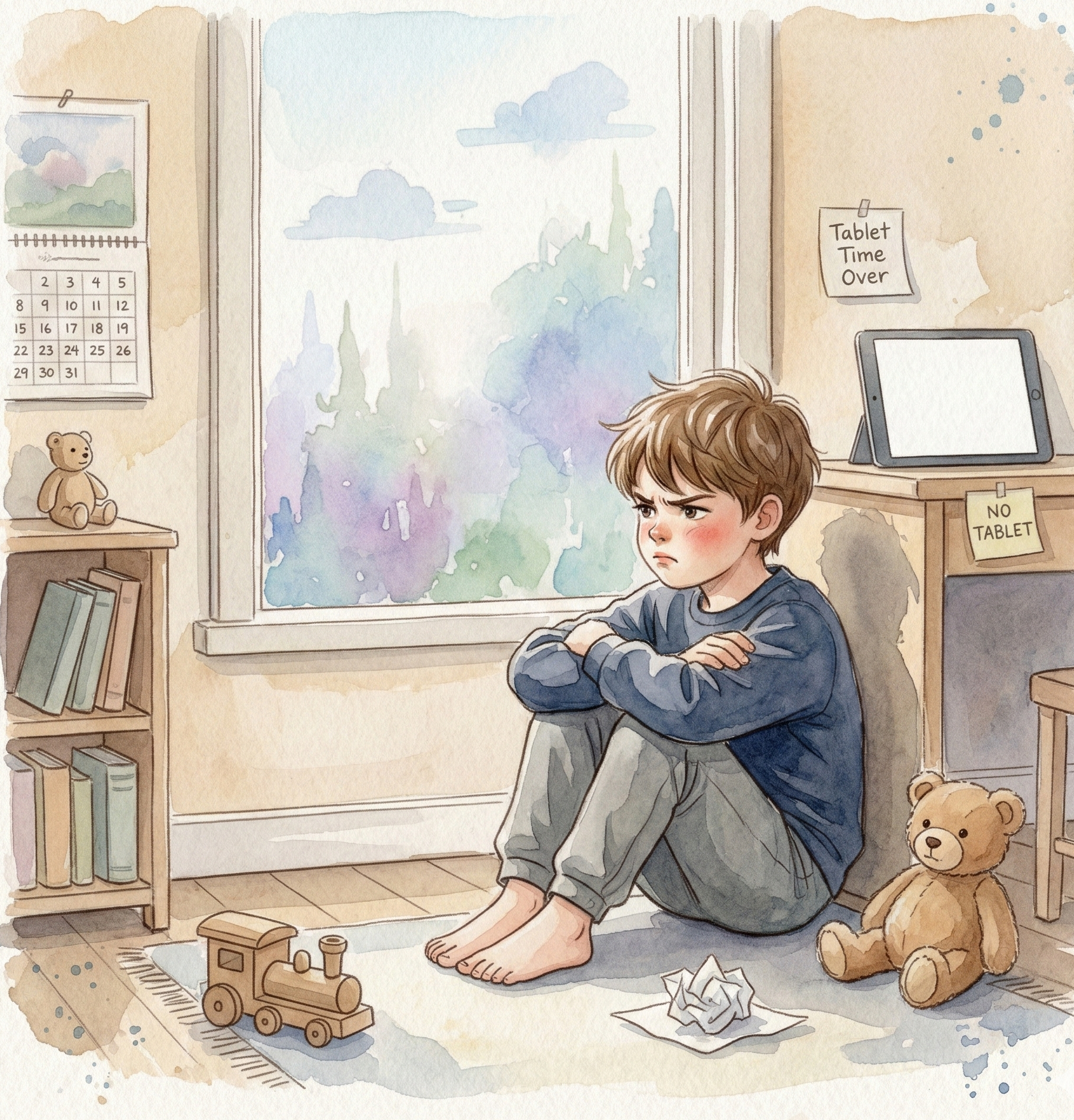


Recent research suggests that pediatric telepsychiatry can be just as effective as traditional in-person treatment with far more secondary benefits. But transitioning to a remote, virtual setting from an in-person doctor’s office visit can feel a bit uncomfortable at first.
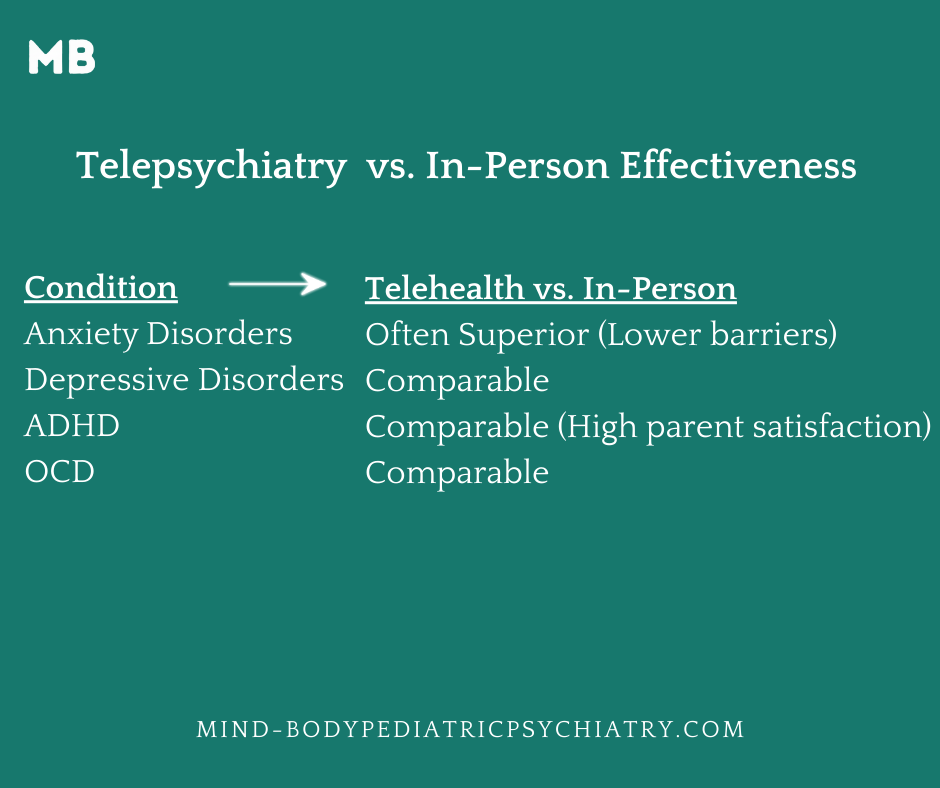
Thankfully, for today’s psychiatry patients, the relative comfort of a remote, telepsychiatry appointment offers a higher level of ease. Especially for children, being surrounded by the familiar atmosphere of their own room with their toys, pets, and stuffies can lead to a more authentic clinical interaction. And, recent studies of telehealth have shown comparable effectiveness for depressive disorders and even superior effectiveness for anxiety disorders when compared to in-person visits.
Why Pediatric Telepsychiatry is Leading the Way
Simply put, for our kids, screens have become a more native environment. And virtual/ remote sessions offer unique advantages that are perfect for kids and their parents (let’s not forget about that!).
- Natural Environment Observations
- In a clinic, a child may behave differently than they do in their home. Whereas, on a video call, providers can see the family in real-time and witness more typical interactions. Telemedicine allows providers to observe a child within their natural environment, offering insights that a clinic setting might obscure. For instance, providers can gain new understanding by seeing real-time family dynamics, such as a sibling interrupting the session.
- Reduced Transition Stress
- For children with autism, ADHD, or severe anxiety, the sensory overload of a commute, a waiting room, and a clinical office can be a MAJOR barrier. It’s tough for everyone, even mom or dad. Telehealth removes the stress of the journey, facilitates engagement, and focuses your time on the thing that matters – the best treatment possible for your child.
- Effectiveness in Overcoming Long Waitlists
- Maybe the most important of all, pediatric telepsychiatry improves access. A 2020 study in the Journal of The American Academy of Adolescent and Child Psychiatry found that, due to ongoing and severe shortages of child and adolescent trained behavioral health specialists, securing user-friendly options for child anxiety disorders is an urgent priority. Meaning alternate pathways for care that avoid long waitlists are highly needed (Walter et al, 2020).
Telepsychiatry vs. In-Person Effectiveness: When Telepsychiatry is actually better.
Pediatric Telepsychiatry Preparation Steps
Benefits of the remote setting aside, preparing for a telemedicine appointment does require a bit of upfront work for the family. Unlike an in-person appointment, you will need to prepare for your session in advance, as your space becomes the doctor’s office. Good news though; once you learn how to prep your space and your tech, each successive appointment becomes second nature. But, setting the stage for a successful session can make a world of difference in how your child engages with the provider. Since your home is now effectively your clinic, a little bit of preparation goes a long way.
How To Prepare: A Helpful Telepsychiatry Checklist for Parents
Prep Your Space
- Privacy: Choose a room with a door that shuts. Ensure siblings are in another part of the home to prevent any eavesdropping anxiety.
- Comfort: Where is your child most at ease in the home? Selecting an area that they love will likely create a better result.
- Seating: Find a comfortable chair that will work for your child…and get one for yourself, while you’re at it!
Technical Testing
- Device Stability: Use a laptop or tablet on a kickstand rather than a smartphone. Shaky video can be physically tiring for you to maintain throughout the session.
- The Five-Minute Rule: Log in to the platform five minutes early to troubleshoot microphone or camera permissions.
- Internet Strength: If possible, ask other family members to pause high-bandwidth activities (like gaming) during the appointment to prevent lag.
Clinical Preparation
- Gather Props: If your child is young, have a few favorite toys, a coloring book, or a favorite stuffie nearby. This helps them feel at ease while talking.
- The Waiting Room Talk: Explain to your child that even though the doctor is on a screen, this is a real doctor’s visit, just like going to the office.
- Medication Review: Have all current prescription bottles handy in case the provider needs to verify dosages or refill counts.
Managing Expectations
Remember that the first five or ten minutes are often just about getting use to the experience of meeting the doctor online. It’s perfectly normal for a child to be shy or even silly on camera at first.
The bottom line on pediatric telepsychiatry
Psychiatric telemedicine is more than a convenience; it’s a powerful tool for expanding access to specialized care, one that our country as a whole desperately needs in the face of long waitlists and a shortage of psychiatric care providers. By meeting children where they are, we can foster a more integrated, less stressful path to improved mental health.