


A Look at the 2025 CDC Report on Teen Screen Time
Whether it’s for CPS homework, keeping up with sports schedules, or staying in touch with friends, the smartphone, and screens more generally, are a staple of daily life for Chicago teens. But, a 2025 report from the Centers For Disease Control and Prevention is causing parents to take a close look at the link between screen time and rising rates of teen anxiety.
We see it every day at Mind-Body Pediatric Psychiatry: a parent comes in, exhausted, because their teen is suddenly irritable, “spaced out,” or can’t fall asleep until 2:00 AM. Usually, the phone is the elephant in the room. If you’ve noticed your teen becoming more anxious or irritable, the latest report from the CDC could offer an explanation…and even a roadmap for change.
What the 2025 CDC Report Found on Smartphone use:
The recent report from the CDC was based on a survey of over 10,000 teenagers and highlighted a shift in how screen time impacts the emotional well being of teenagers. While technology offers a connection, high levels of smartphone use are now being tied to adverse health outcomes. Here’s more:
- “Four-Hour Threshold”
- Half of all teenagers aged 12-17 log 4 hours or more of screen time, daily.
- Anxiety and Depression are up. Way up.
- Teens with four hours of screen time are twice as likely to experience symptoms of anxiety.
- Urban Pressure
- And this is a big one for Chicago Parents: Teens living in metropolitan areas are significantly more likely to exceed the four hour mark than those in non-metropolitan areas.
- Health Displacement
- If you’re on a screen, you’re not being active. High screen use is linked to infrequent physical activity, weight gain, and irregular sleep.
Are Chicago Teens More Vulnerable?
Yes. In Chicagoland our kids navigate competitive academic environments, intense sports schedules, and social lives that never truly “turn off.” When you layer a smartphone to that mix, you get a perfect storm. How?
- Social Comparison
- Tik Tok and Instagram’s “highlight reels” make their lives feel inadequate by comparison, fueling anxiety.
- Sleep Disruption
- Late-night scrolling steals the deep sleep their brains need to regulate emotions
- The “City Pace” Trap
- The fast-paced nature of city life can make it incredibly difficult for teens to truly unplug. As Ferris Bueller famously noted while skipping school right here in Chicago: “Life moves pretty fast. If you don’t stop and look around every once in a while, you could miss it.” For our kids, “looking around” means more than just a glance away from the screen. It means a physical “downshift” into the parasympathetic nervous system. Without those intentional breaks in a local park or a quiet evening at home, the constant “city buzz” combined with digital overstimulation can lead to chronic burnout and anxiety.
Practical Digital Wellness: How to Manage Your Teen’s Smartphone Use
At Mind-Body Pediatric Psychiatry, we realize that “zero screen time” isn’t a realistic goal for a modern Chicago family. Instead, we aim for digital balance. The key is ensuring that smartphone use doesn’t push out the fundamental biological behaviors that protect your child’s mental health.
- Protect Their Sleep!
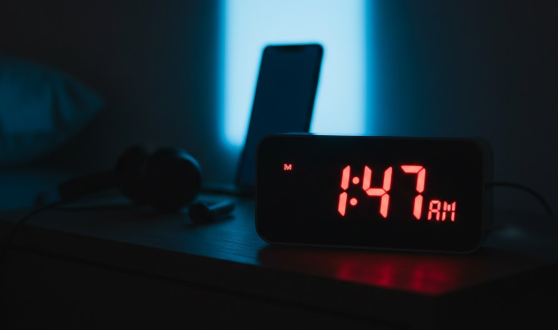
- The Bedroom is a Tech-Free Zone: If the phone is the last thing they see at night, their brain won’t enter the deep sleep needed for emotional regulation. Buy a $10 alarm clock; it’s the best holistic mental health investment you’ll make this year.
- The “Table Rule” for Families
- We recommend a strict table rule to keep mealtimes as tech-free as possible. This encourages mindful eating and connection. (And yes, that means parents too!)
- Focus on “The What” Over “The How Much”
- Focus on Active vs. Passive Use: I’d much rather see a teen editing a video or learning a digital craft than mindlessly scrolling through a “For You” feed.
- Prioritize the Real World
- Physical Movement is the Antidote: Whether it’s a walk in a Chicago park or an after-school sport, movement is the natural “reset button” for a brain fried by blue light.
- Don’t forget the value of old-fashioned, device-free interaction. Prioritizing in-person social time helps teens build the authentic social skills that a screen simply cannot replicate.

What’s Next?
Smartphones aren’t going anywhere. But they don’t need to control your life or your child’s health. If your child is struggling with anxiety or sleep or mood shifts, they may be tied to digital habits and that four hour threshold. Try the above tactics to improve their outcomes and if you like, reach out to our team at Mind-Body for holistic, evidence-based virtual care. We can help you with boundaries that work for today’s modern family.